ABOUT
My understanding of survival evolved.
For much of my career, survival had a very specific meaning: preparing for the moments when things went wrong, decisions had to be made quickly, and the people around you were depending on you.
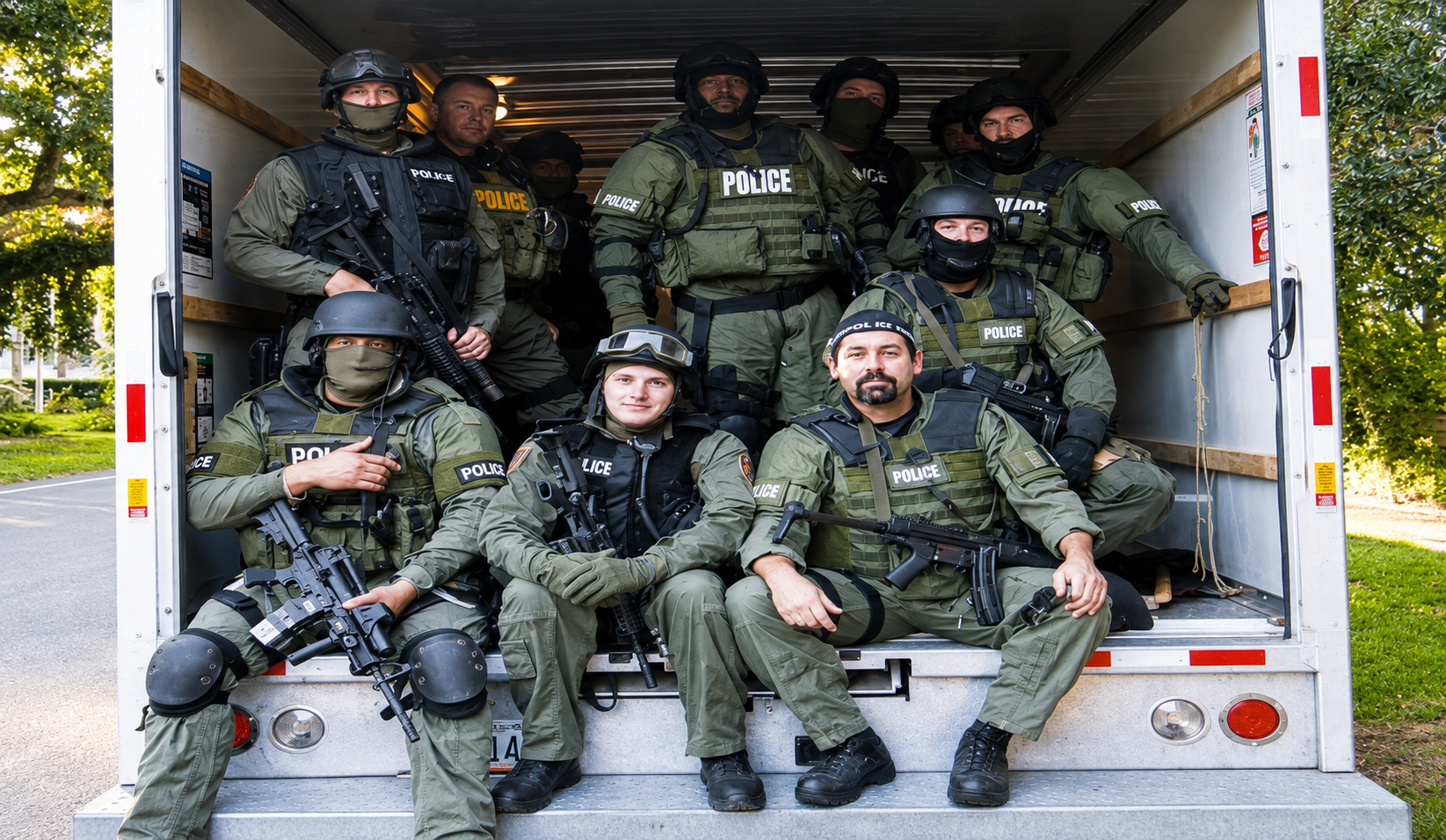
As a police officer, sergeant, and SWAT team leader, I learned to operate in those moments—and eventually to prepare others for them.
Survival was where the work began.
PREPARATION
There was always another move.
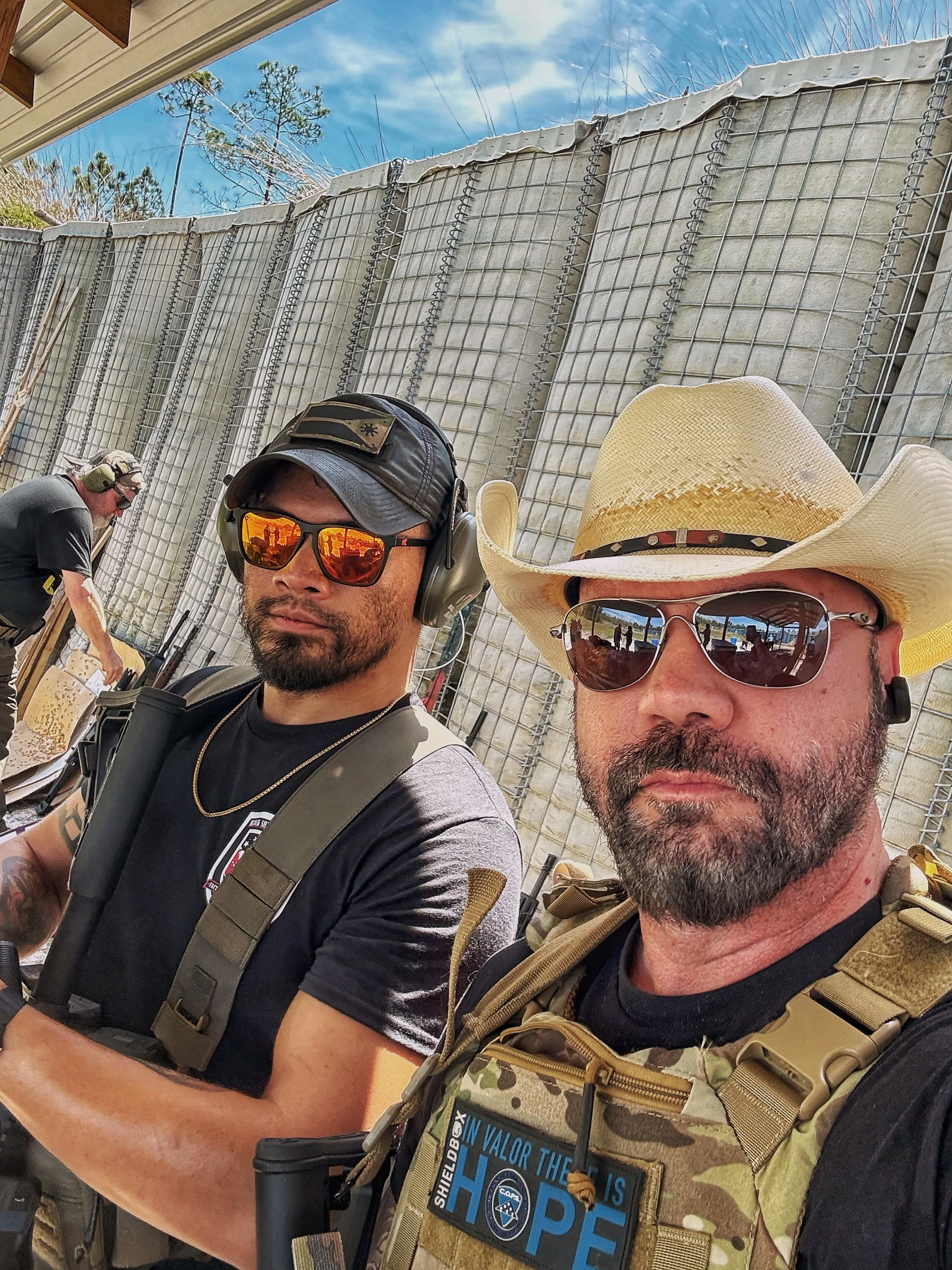
After retiring from law enforcement, I became a co-lead instructor for the United States Krav Maga Association and developed training designed to help police officers survive violent encounters.
Some of the most important lessons happened during reality-based scenarios. Officers had to think, adapt, communicate, and make decisions while under stress.
I had one rule: I never allowed an officer to finish a scenario in failure.
If an officer made a decision that would have gotten them seriously injured or killed, we stopped. We examined what they saw, what they believed their options were, and what led to the decision.
Then we rewound the scenario.
They went back into the same problem with a different understanding of it—found another option, made another decision, and found a way through.
What looks like a no-win situation doesn’t mean there are no options. Sometimes you just can’t see the next move yet.
WHEN SURVIVAL CHANGED
Eventually, I had to learn the lesson myself.
Over the years, I watched friends, colleagues, mentors, and people I had trained struggle with injuries that were much harder to see. Some died by suicide.
Eventually, suicide became deeply personal in my own life. Through close personal loss—and my own experience with suicidal ideation—I found myself confronting a very different kind of no-win scenario.
I had spent years teaching officers that when they couldn’t see a way through, it didn’t mean there wasn’t one. Now I had to understand what that principle meant when the threat wasn’t in front of me, but within me.
Survival could no longer mean simply making it through the incident, the shift, or even the crisis.
It had to mean having something worth surviving for.
There is always a next move.
THE WORK TODAY
Survival wasn’t enough.
That experience changed the direction of my work.
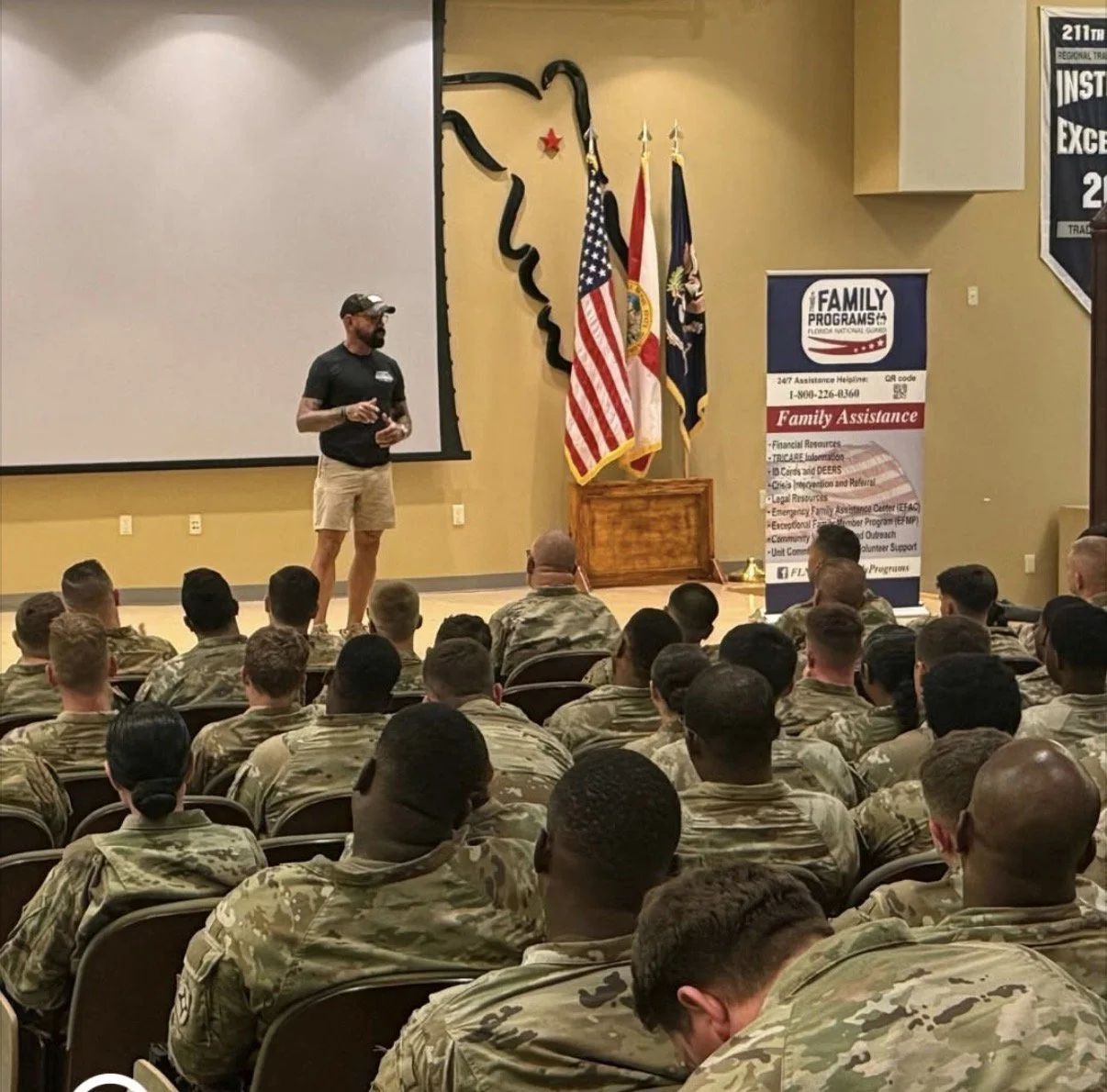
Today, I lead military and first responder programming at Here Tomorrow, building partnerships and developing approaches to suicide prevention and resilience that better reflect the culture and experiences of the people we’re trying to reach.
I also host Clearing the Mind Field, where I explore trauma, moral injury, suicide, recovery, leadership, and resilience with people who have lived, studied, and worked in these spaces.
And I am developing the Protective Capacity Model of Resilience (PCM-R) around a principle that has followed me from officer-survival training into the work I do today:
We shouldn’t wait until someone is in crisis to begin building the capacities that help them navigate adversity, expand their options, and build a life worth living.
A LIFE WORTH LIVING
The mission became
bigger than the job.
Resilience isn’t simply about keeping someone operational.
It’s about helping people build lives that include connection, purpose, relationships, family, friendship, community, recovery, identity beyond the profession, and a future they can see themselves participating in.
The job may change us. It doesn’t have to own us.
It’s about helping people build something worth surviving for.
At first, I taught people how not to die.
Now, I work to help people build reasons to live.
Survival was where the work began.
A life worth living is where it leads.